


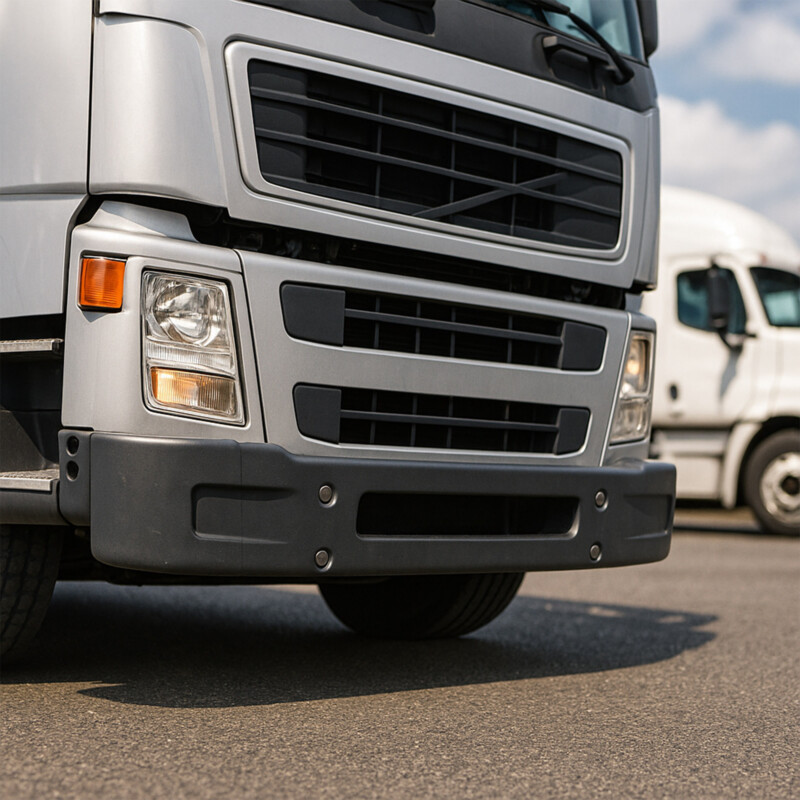
Truck Bumpers: Their Role in Safety and the Importance of Replacement
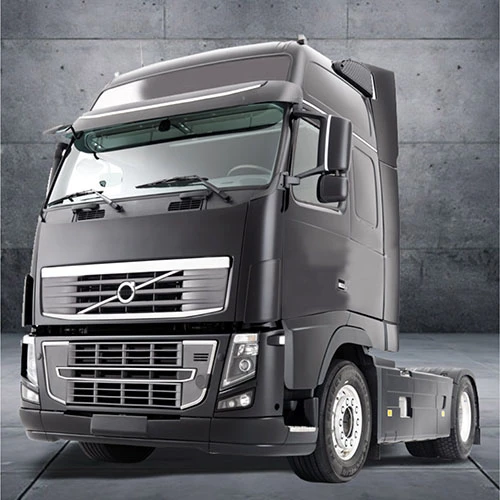
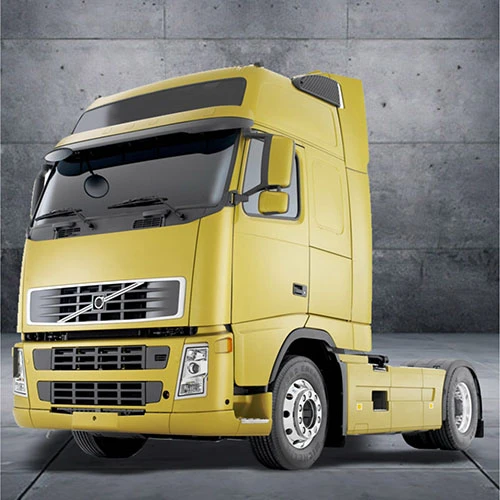
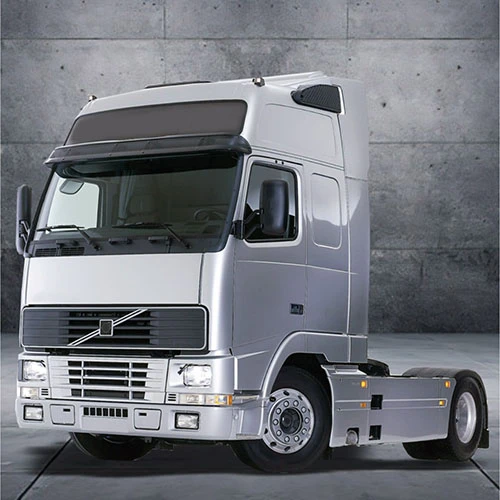
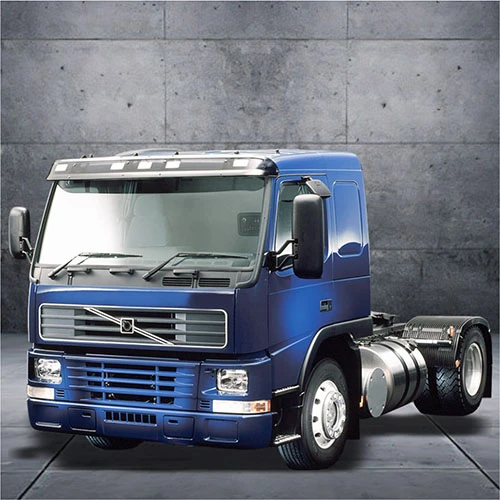
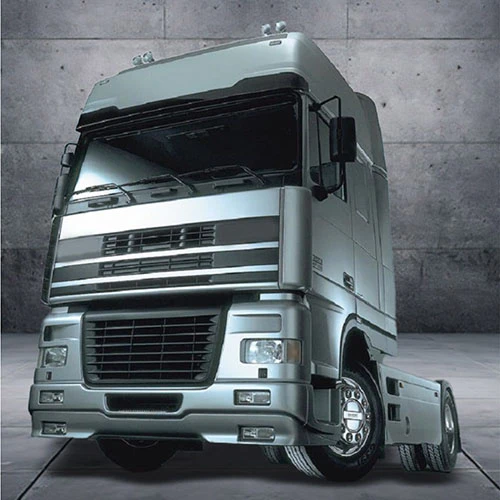
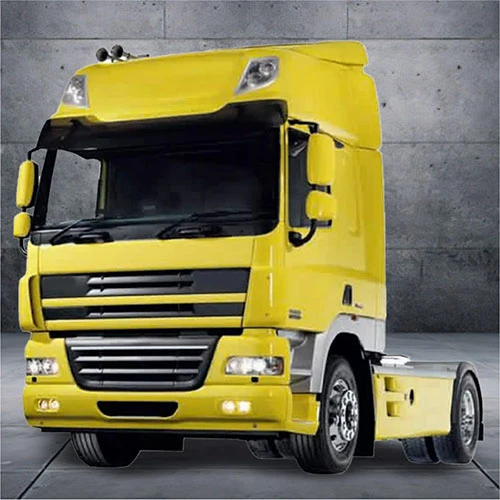
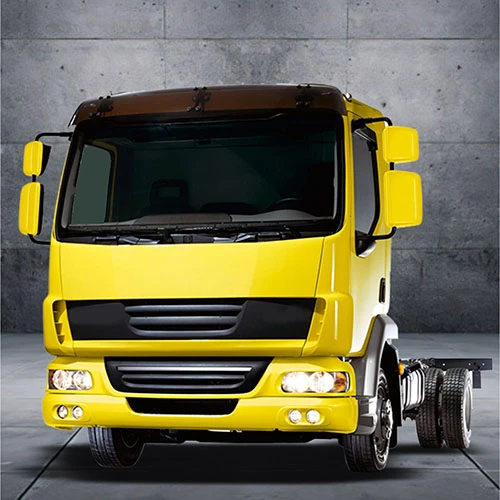
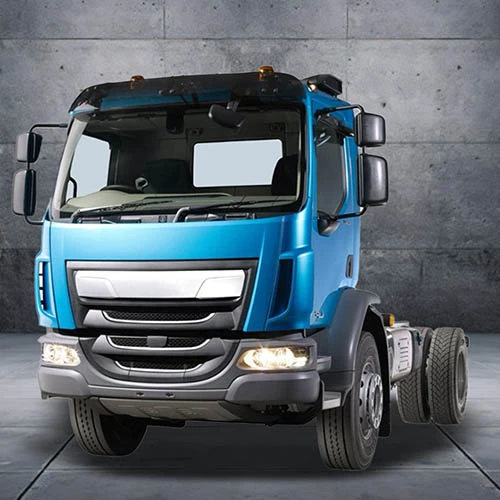
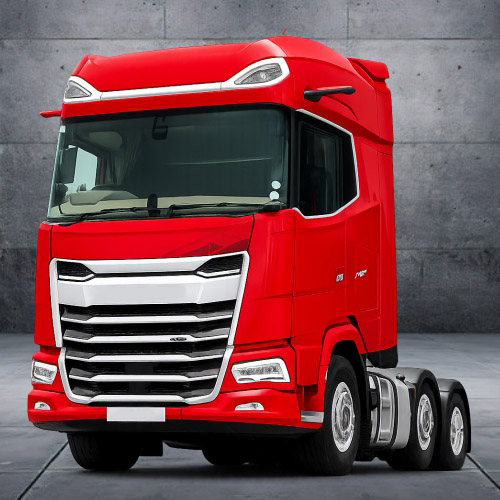
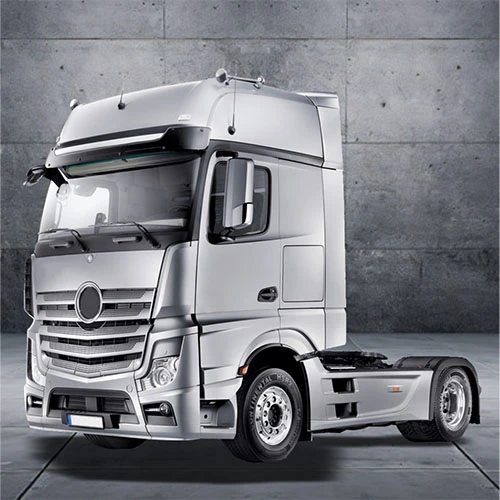
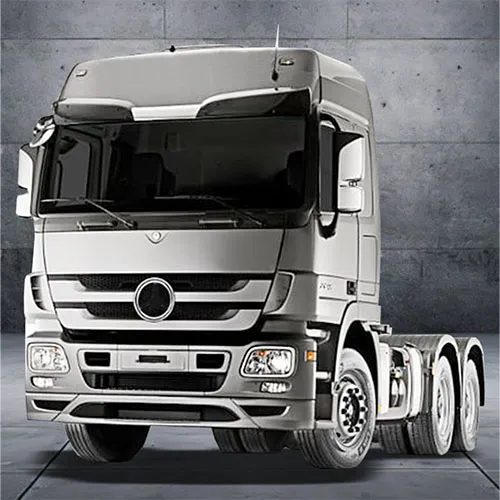
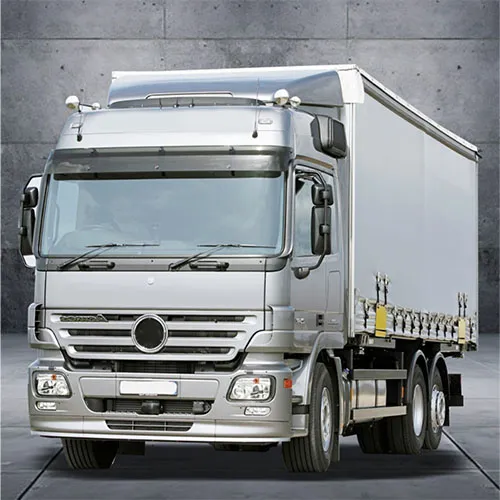
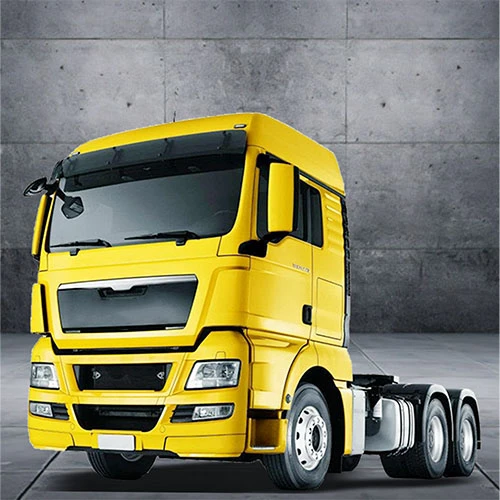
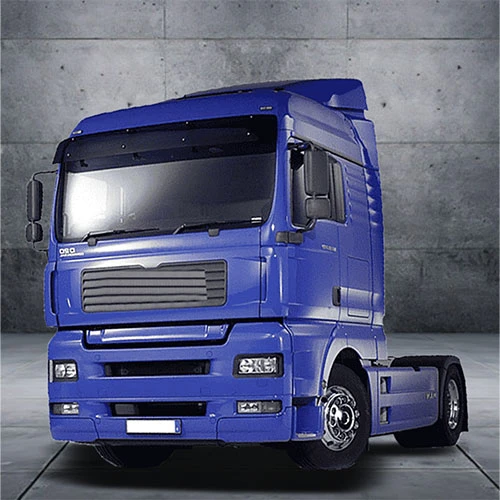
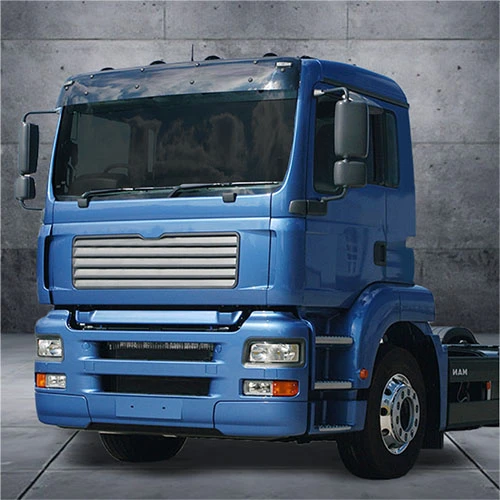
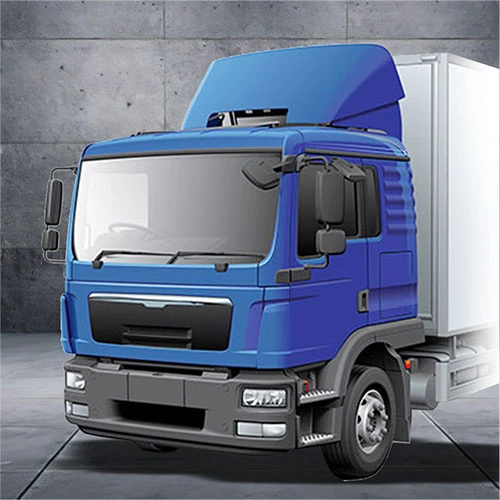
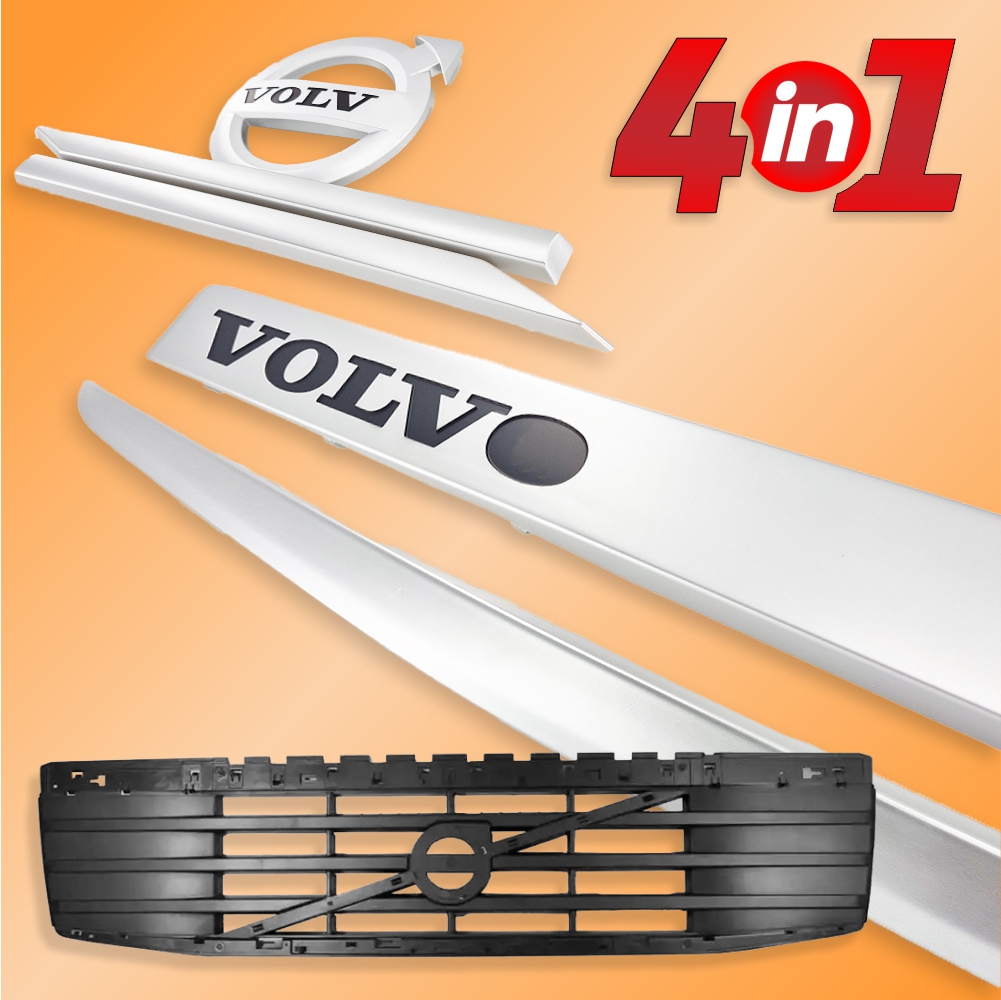
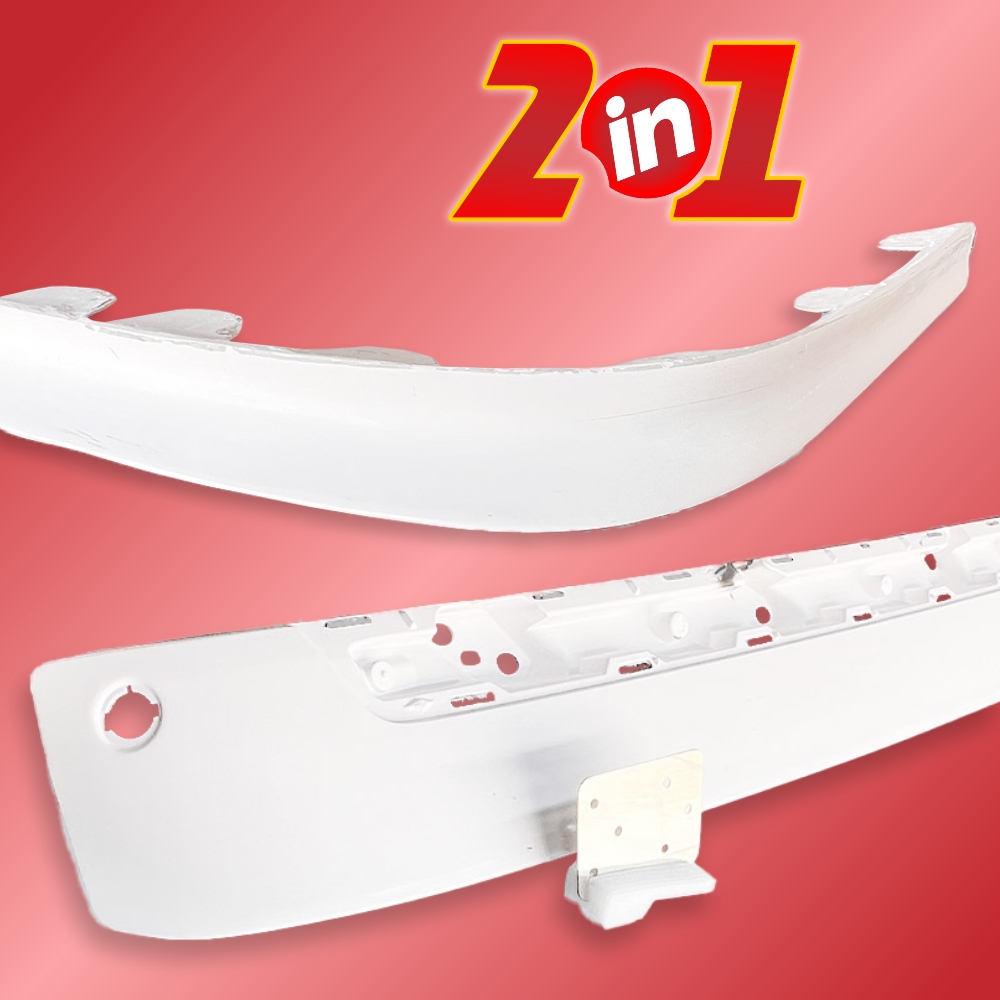
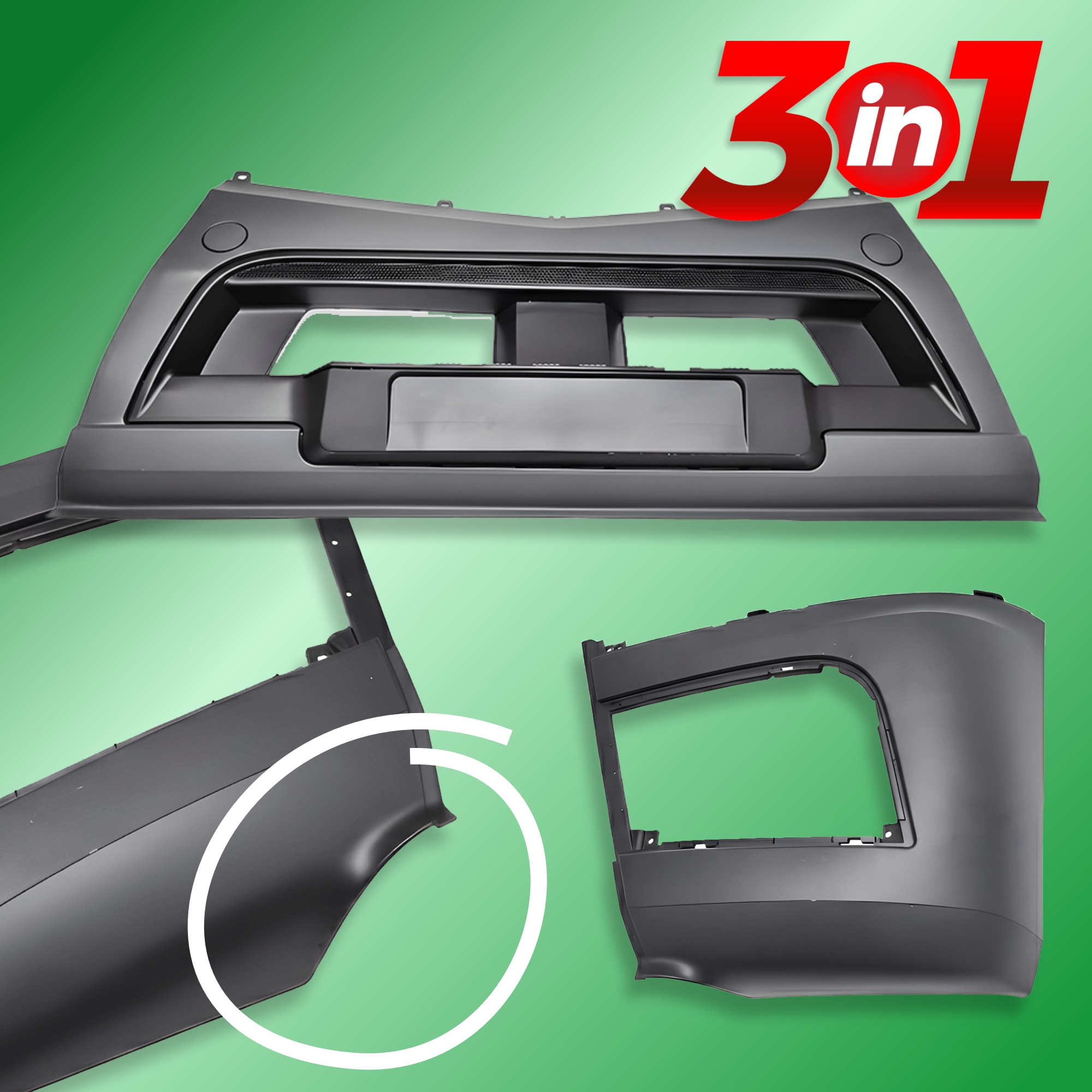
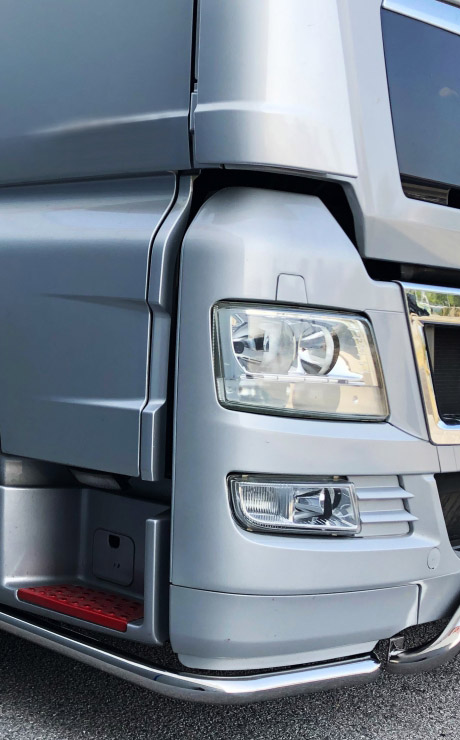
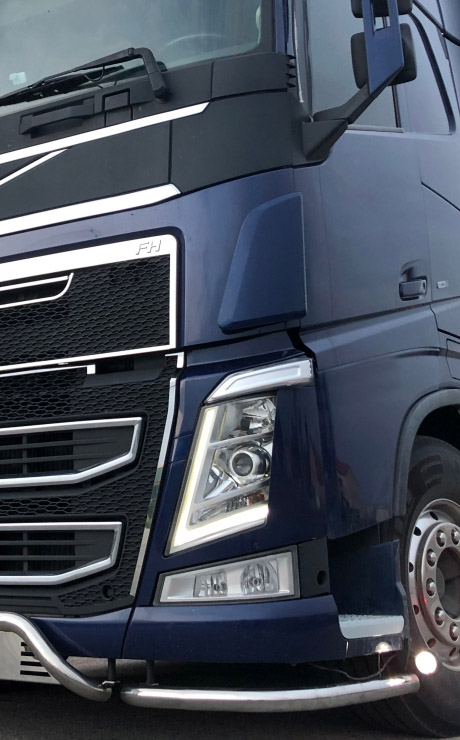
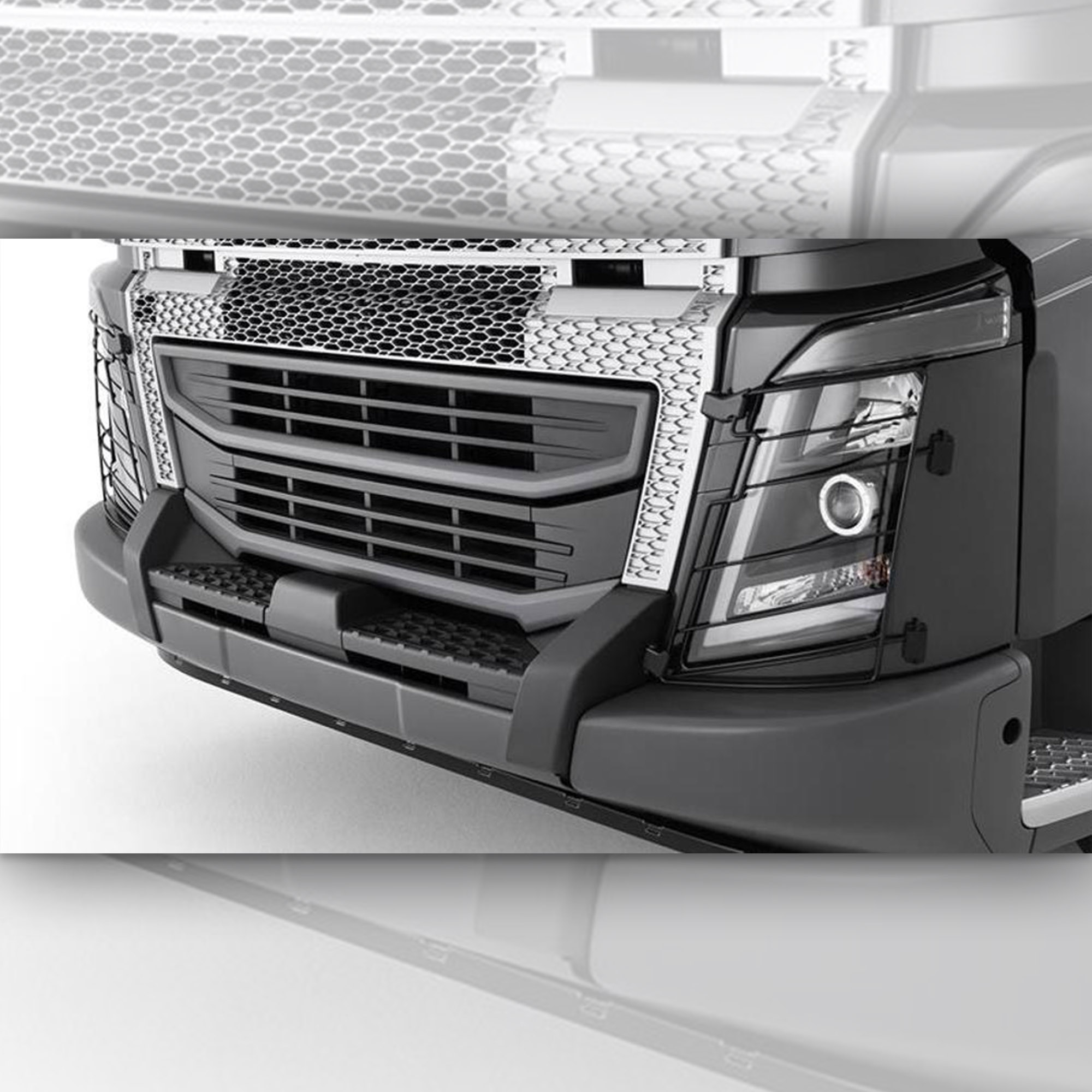
The truck bumpers are not just an aesthetic accessory, but are a critical component of security of the vehicle, its passengers and other road users. Due to the size and weight of trucks, the function of bumpers is crucial for managing energy during a collision.
The Critical Role of Guards in Safety
The primary purpose of a bumper is to absorption and deflection of impact energy in the event of a collision, especially at low speeds.
1. Protection of the Vehicle and Vital Parts
- Damage Minimization: In minor collisions or maneuvers, the bumper It acts as the first line of defense, preventing or limiting damage to expensive and vital parts of the truck, such as the engine, cooling system, headlights and bodywork. This reduces commercial vehicle downtime and repair costs.
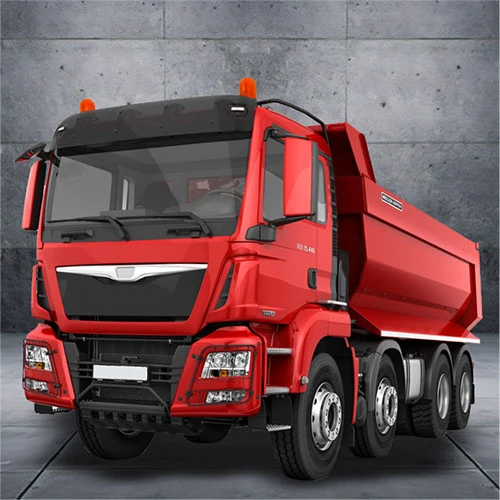
- Protection in Off-Road/Hard Conditions: For trucks operating on rough terrain or construction sites, reinforced bumpers (often made of steel or reinforced aluminum) provide additional protection from rocks, trees, and other obstacles.
2. Passenger and Third Party Safety
- Impact Force Reduction: Modern bumpers are designed with controlled deformation zones (“crumple zones”) that absorb kinetic energy, preventing the full force of the collision from being transferred to the driver's cabin.
- Security Systems Support: In many modern trucks, the bumpers they host sensors for parking assist systems, collision warning, and other safety technologies. The integrity of the bumper is critical for the proper functioning of these systems, even airbags (SRS – Supplemental Restraint System).
3. Aerodynamics and Performance
Bumpers, especially the front ones, contribute to aerodynamics of the truck. Their proper design optimizes the airflow around the vehicle, reducing drag and contributing to better fuel economy and reducing emissions.
The Importance of Immediate and Correct Replacement

Truck Bumpers: Their Role in Safety and the Importance of Replacement
Although one bumper may appear to have only superficial damage, its structural integrity may be seriously compromised. Immediate replacement or repair is essential to maintain safety and performance.
1. Restoration of Structural Integrity
A cracked or deformed bumper beam cannot effectively absorb energy in a future collision. Delaying replacement puts passengers at risk, as the next impact will be transferred more directly to the frame and cabin.
2. Ensuring Sensor Operation
Even small dents or cracks can affect the built-in sensors (e.g. radar, parking sensors) located in the bumper. Malfunctioning of these systems can lead to incorrect readings or the non-activation of critical safety functions.
3. Compliance with Regulations
Trucks, as commercial vehicles, are subject to strict safety regulations. A damaged bumper may not meet specifications, leading to fines or even impoundment of the vehicle during technical inspections.
4. Material Selection
When replacing, the choice of suitable material (steel, aluminum, plastic) must be based on the intended use of the truck.
- Steel: It offers maximum durability and protection, ideal for heavy work and harsh conditions.
- Aluminum: Lighter and more corrosion resistant, good for balance between protection and fuel economy.
- Plastic/Composites: Usually in factory models, they offer good energy absorption at low speeds and are lightweight.
To summarize, the bumper is more than just a component – it is a key safety factor. Regular inspection and prompt replacement of high-quality parts ensure that the truck remains reliable, safe and efficient on the road, protecting both the investment and, most importantly, human life.